Why his work matters
Van Gogh's use of colour and expressive brushwork influenced modern art movements and remains widely studied today.
Vincent van Gogh (1853–1890) was a Dutch painter who created some of the world’s most loved artworks in just ten intense years. He worked as an art dealer, teacher, and preacher before starting to paint at age 27. He made over 2,000 paintings and drawings, including Starry Night, Sunflowers, and many self-portraits. His style is bright, swirling, and full of emotion. Vincent struggled with mental illness, cut off part of his ear in 1888, and spent time in an asylum. He sold almost no paintings while alive and depended on his brother Theo for support. In 1890, at age 37, he shot himself and died. Today he is one of the most famous artists in history.
Van Gogh is best known for his bright colours, dramatic brushstrokes, and emotional intensity. Instead of painting what he saw exactly, he painted what he felt. His style helped lay the foundation for modern art by encouraging artists to express emotion instead of realism. Some of his most famous works include Sunflowers, Starry Night, and The Bedroom.
Van Gogh lived with severe mental health challenges and often felt isolated. Despite these struggles, he created more than 2,000 artworks in just over 10 years, including around 860 oil paintings. His passion for art never stopped, even during his most difficult moments.
Vincent van Gogh passed away at the age of 37 and never lived to see his success. Today, his work is displayed in major museums around the world, and he is recognized as one of the greatest artists of all time. His life story continues to inspire artists, students, and creatives everywhere.
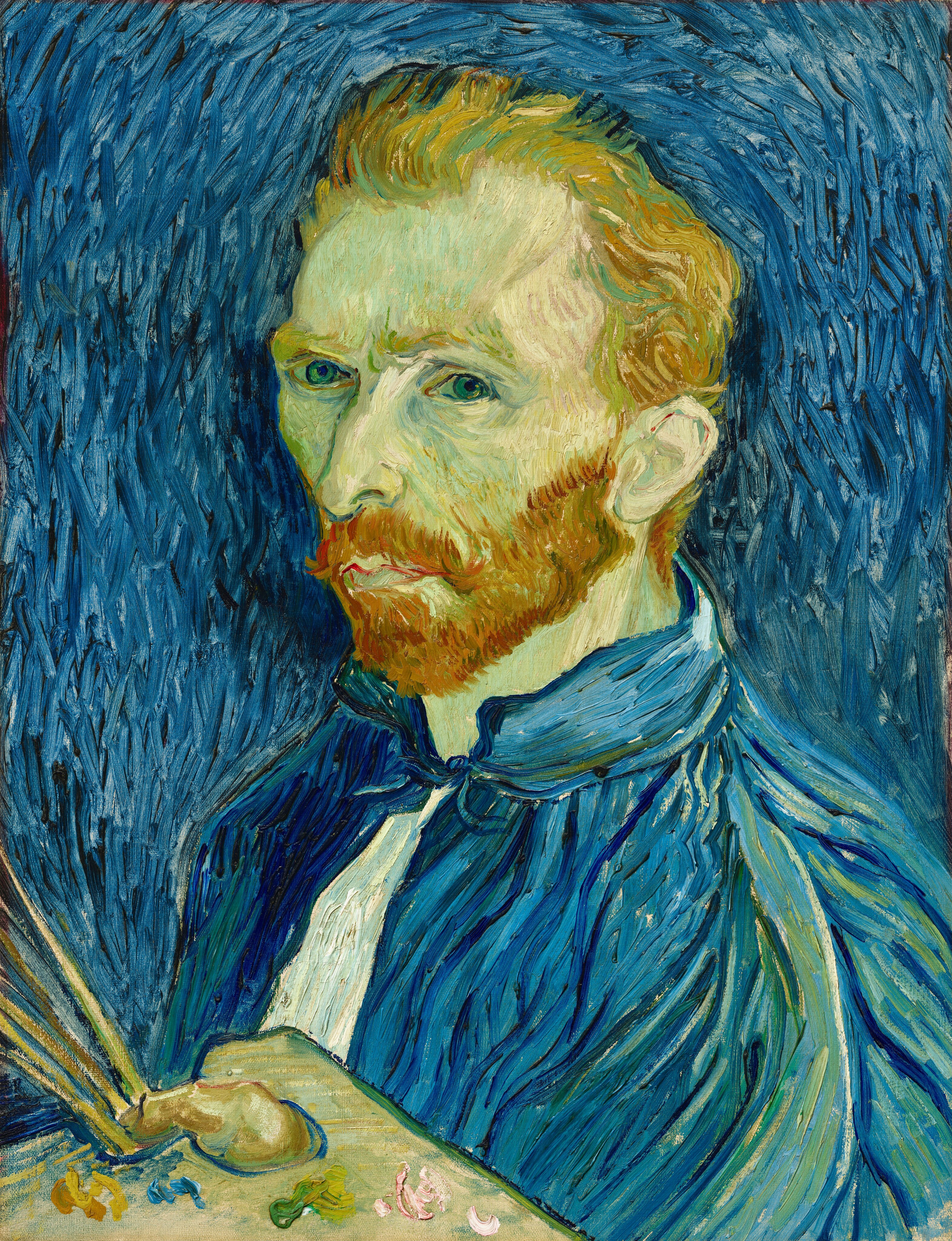
Van Gogh's use of colour and expressive brushwork influenced modern art movements and remains widely studied today.